Overtourism refers to a situation in which the number of visitors exceeds a destination's capacity, placing pressure on local environments, societies, and cultures, and ultimately undermining sustainability.
This issue has been widely discussed by organizations such as the UNWTO, particularly in cities like Barcelona and Venice. In recent years, however, overtourism has expanded beyond Europe and become increasingly visible across Asia—including in Japan.
This article examines overtourism in Japan through two key perspectives:
physical limits and psychological limits, and explores possible approaches to addressing these challenges.
The first dimension of overtourism is the point at which a destination's physical systems can no longer keep up with the number of visitors.
This includes visible and measurable impacts such as:
In Japan, these physical limits are clearly observable. For example, in Kyoto, heavy congestion during peak seasons affects buses and major roads, disrupting daily life for residents. On Mount Fuji, the rapid increase in climbers has led to overcrowded trails, waste issues, and safety risks. These are not simply issues of "too many people," but rather situations in which infrastructure, transportation systems, and spatial capacity are no longer able to absorb demand.
This includes visible and measurable impacts such as:
Even when infrastructure can still function, overtourism may reach a point where residents begin to feel emotional and social strain.
This includes:
This dimension is particularly important in Japan. Many destinations—especially historical cities like Kyoto—have a close proximity between tourist areas and residential neighborhoods. As a result, tourist behavior directly affects everyday life. These impacts are difficult to quantify, yet they are often more critical than physical congestion.

There are generally two approaches to addressing overtourism.
These methods can be effective in addressing physical limits.
However, tourism is also a key economic driver for many regions, including in Japan. Simply reducing visitor numbers is not always feasible, as it requires balancing economic sustainability with community well-being.
Therefore, while quantitative measures are necessary, they are not sufficient on their own.
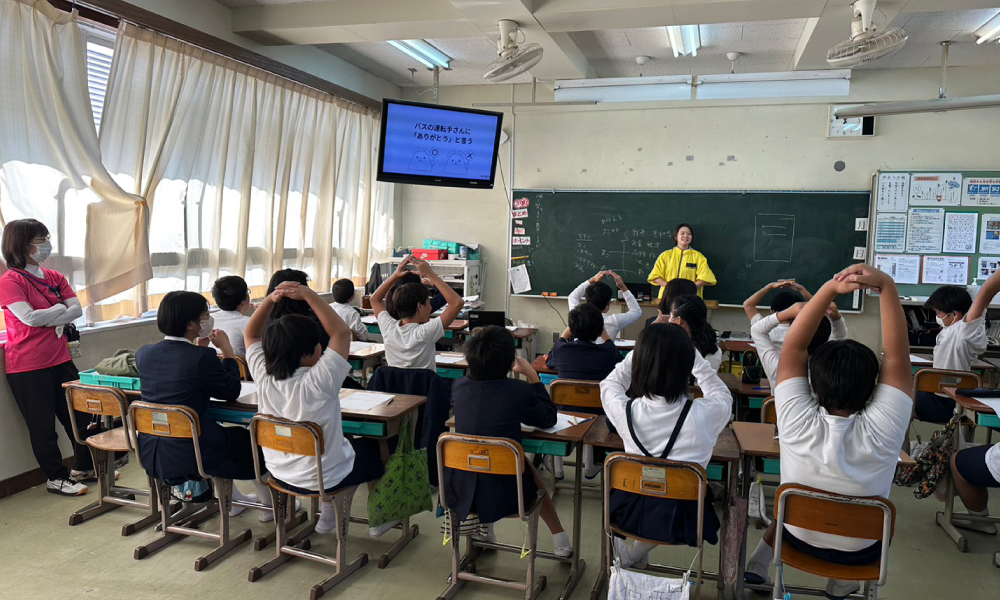
The second approach focuses on improving how visitors behave. This includes:
An important insight is that the same number of visitors can create very different impacts depending on their behavior. If visitors act with awareness, the psychological burden on residents can be significantly reduced.
Conversely, even a smaller number of visitors can generate strong negative reactions if their behavior is perceived as inconsiderate.

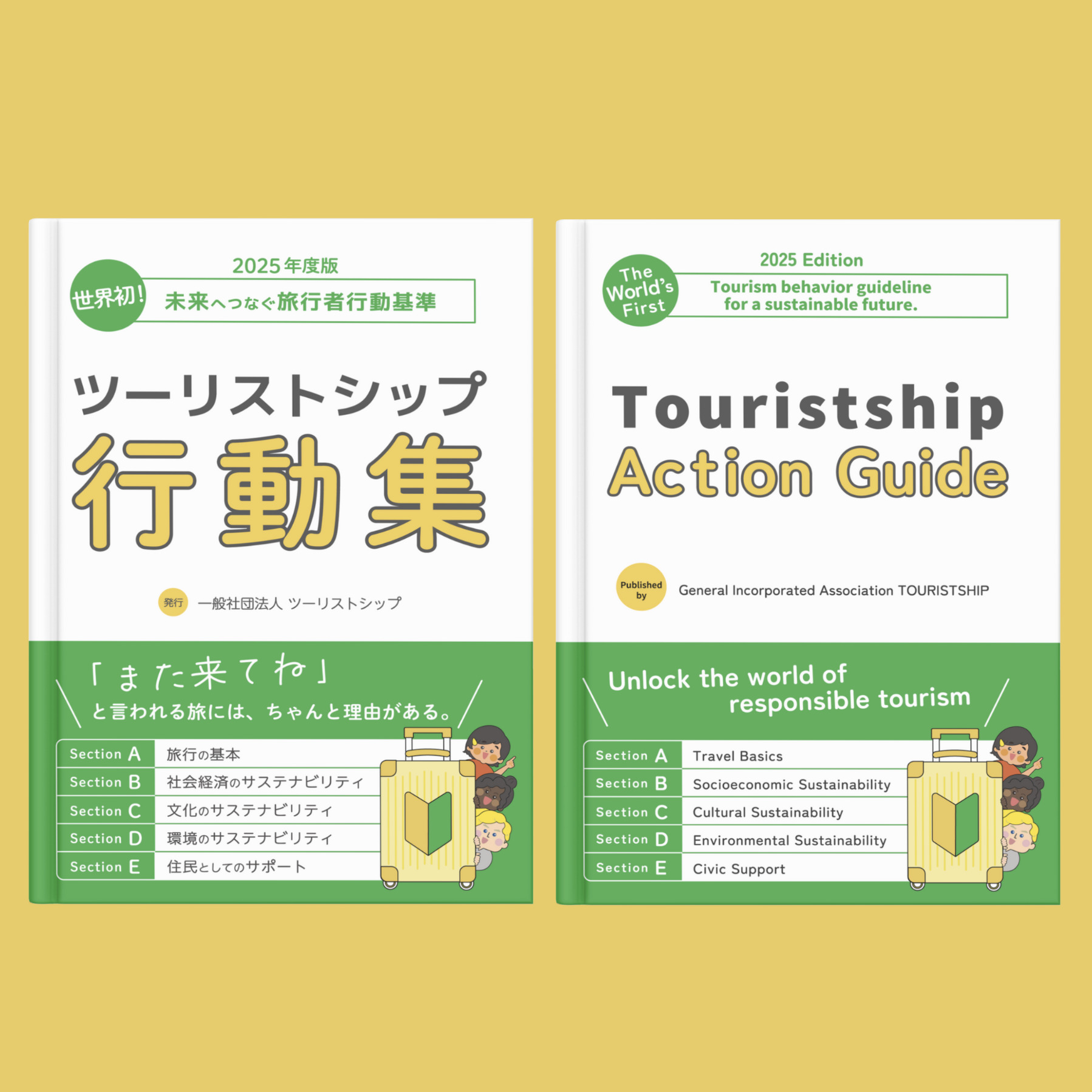
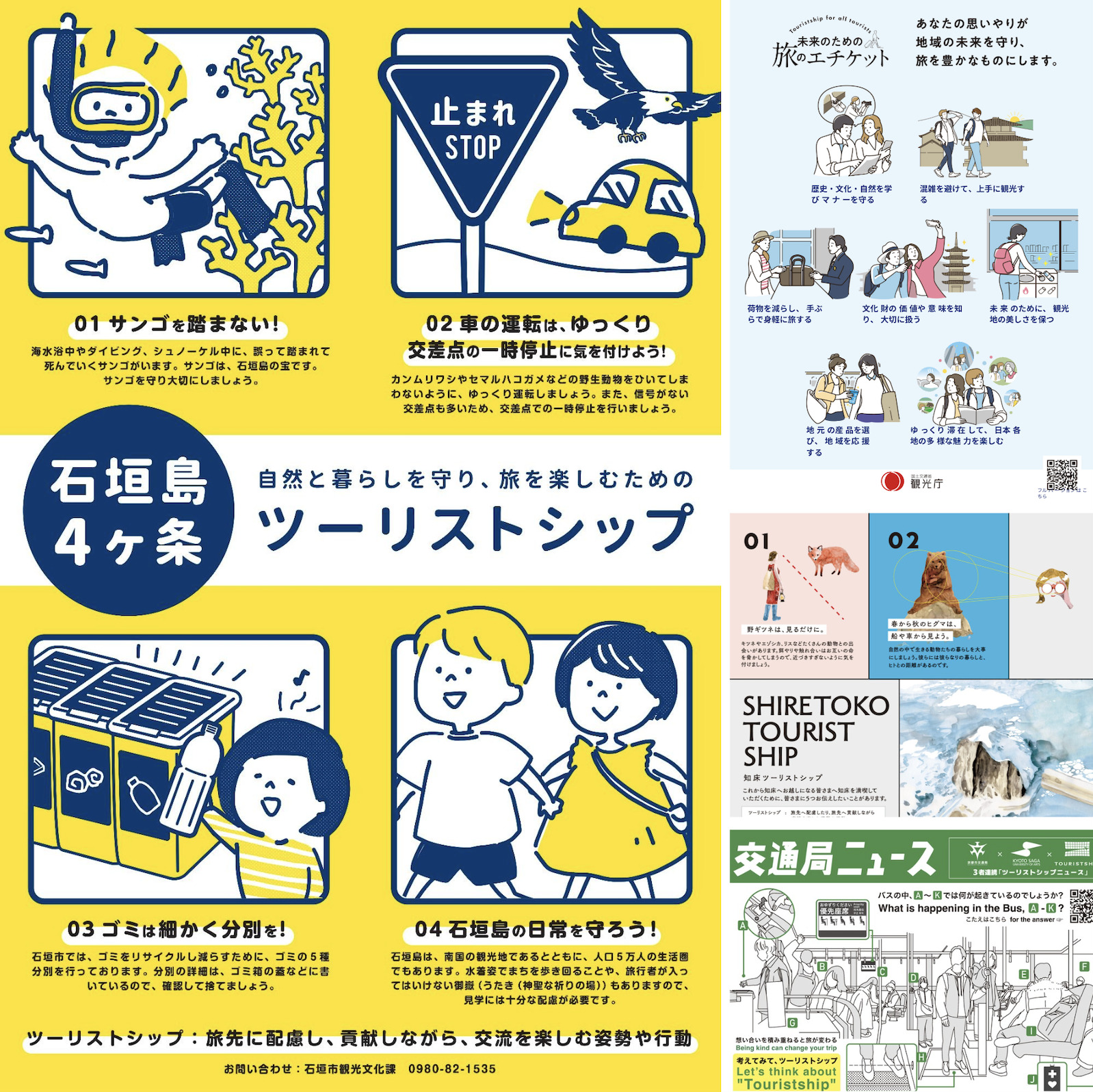
And that is "Touristship".
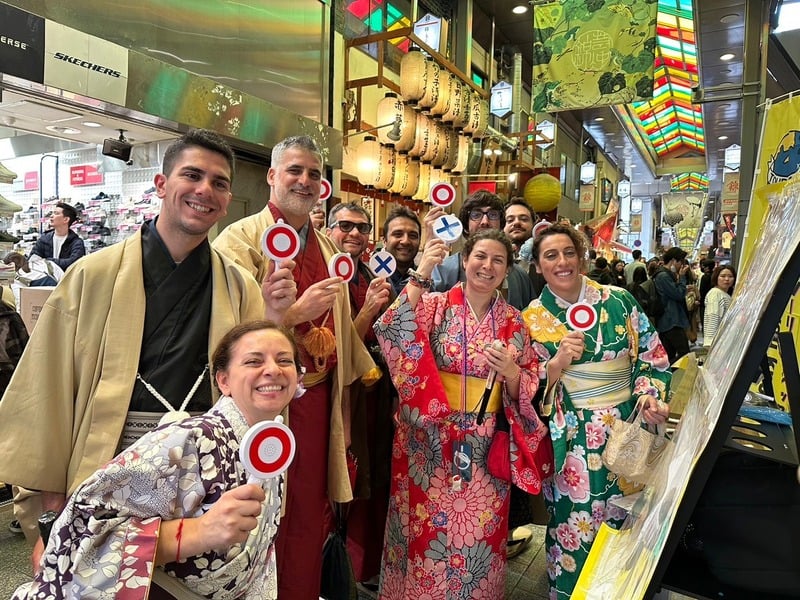
Touristship refers to the idea of traveling with respect for destinations and the people who live there.
It goes beyond simply following rules; it emphasizes a mindset of care, awareness, and responsibility.
Touristship is not about how to behave in one specific destination, but about adopting a universal mindset of respect wherever one travels.
By shifting the focus from restriction to responsibility, Touristship offers a complementary approach to addressing overtourism.
If overtourism continues unchecked, tourism itself risks being perceived as harmful rather than beneficial.
To sustain travel as a positive cultural exchange, it is necessary not only to manage visitor numbers, but also to reconsider how people travel.
Touristship represents one step toward ensuring that travel remains welcome, sustainable, and meaningful—for both visitors and the communities they encounter.